


When industrial fluid systems encounter liquids that are thick, abrasive, or particularly sensitive to shear, standard centrifugal options often struggle to maintain consistency. This represents a common operational frustration for plant managers and facility operators who rely on steady flow rates for production quality. In such environments, the choice of equipment determines whether a process runs with predictable efficiency or constant mechanical interruption.
The Challenges of Moving Complex Fluids
Moving high-viscosity or shear-sensitive materials presents a unique set of hurdles. If a pump relies on high-speed rotation, it may inadvertently degrade the fluid it is meant to transport, altering the texture or chemical properties of the material. Furthermore, if a liquid contains suspended solids, traditional impeller-based designs often face accelerated wear, leading to frequent maintenance cycles and decreased longevity.
For many industrial applications, the goal is to move material with minimal turbulence and consistent pressure, regardless of changes in viscosity. When a system fails to provide this, the result is typically a loss of throughput, increased waste, and significant downtime for repairs. Recognizing these limitations is the first step toward assessing whether an alternative mechanical approach is required.
The Principles of Positive Displacement in Pumping
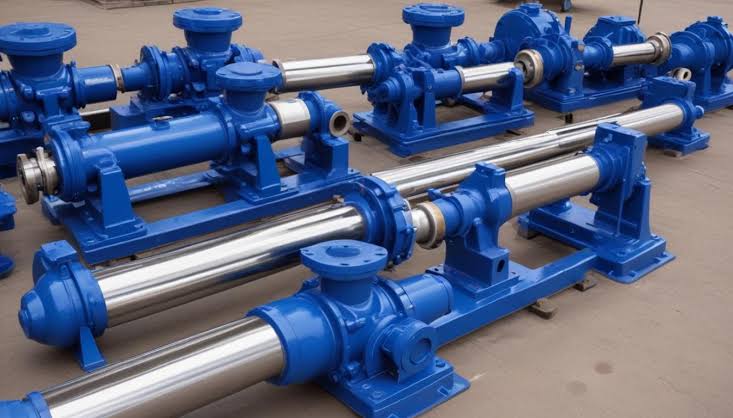
A progressive cavity pump operates on the principle of positive displacement, which distinguishes it from kinetic or centrifugal alternatives. The design typically features a helical metal rotor rotating inside a flexible, molded stator. As the rotor turns, it forms a series of discrete, sealed cavities that move from the suction end to the discharge end.
This mechanism is inherently suited to difficult fluids because the material is moved in a progressive motion rather than being thrashed or accelerated. Because the cavities remain sealed throughout the rotation, the flow rate is largely independent of the system’s backpressure. This results in a smooth, non-pulsating discharge, which is beneficial for processes requiring precision dosing or careful handling of sensitive mixtures. The mechanical simplicity of the design, which usually involves minimal moving parts, also tends to reduce the frequency of internal component fatigue.
Key Factors Influencing Equipment Selection
Several variables influence how well a pump performs within a specific industrial environment. Understanding these factors allows operators to better align their equipment with the demands of their processes:
- Fluid Characteristics: The viscosity of the material is a primary consideration. Some pumps are designed specifically to handle highly viscous slurries, while others excel with thinner, shear-sensitive fluids.
- Material Compatibility: The interaction between the pumped liquid and the internal materials—such as the stator elastomer—is vital. Certain chemical compositions or temperatures can cause standard materials to swell or degrade.
- System Backpressure: Because of the nature of positive displacement, the pressure at the discharge point should be understood to ensure the pump motor is correctly sized and the structural integrity of the pump housing is sufficient for the task.
- Operating Speed: The rate at which the rotor turns has a direct impact on the lifespan of the stator. In many cases, lower operating speeds are preferred to reduce frictional heat and internal wear, especially when dealing with abrasive materials.
When evaluating these factors, it is helpful to consult with manufacturers or specialized service providers who can perform a thorough audit of the process requirements, including the intake conditions and the discharge pipe configuration.
Approaches to Maintaining a high temp oil pump
When dealing with high-temperature applications, such as a high temp oil pump, the thermal environment imposes additional constraints on the hardware. High temperatures can affect the physical properties of lubricants and seals, and the thermal expansion of metal components must be accounted for in the pump design.
To ensure longevity in high-temperature environments, several practical considerations should guide your approach:
Prioritize Thermal Management
Heat is a significant factor in mechanical wear. A pump operating near its thermal limit may experience accelerated degradation of seals and bearings. Operators should monitor the pump’s operating temperature and consider whether cooling jackets or specialized heat-resistant elastomers are necessary to protect the internal components.
Focus on Preventive Oversight
Rather than waiting for a failure, establish a schedule for inspecting seals and drive components. This is particularly important for any high temp oil pump that is tasked with moving volatile or high-viscosity fluids continuously. Look for signs of leakage, unusual vibration patterns, or audible changes in the motor that could indicate internal stress or misalignment.
Consider the Drive System
The integration between the motor and the pump is often where efficiency gains are found. Variable frequency drives are frequently used to provide precise control over the flow rate, allowing the pump to match the system demand exactly. This prevents the unnecessary work that leads to overheating and mechanical strain.
Ensuring System Reliability Through Smart Operation
The long-term reliability of any industrial pumping system is rarely the result of a single component; it is the outcome of how well the system is matched to the demands of the liquid being moved. If you are experiencing repeated issues with flow consistency or component wear, it may be time to evaluate whether the current pumping technology is the most appropriate fit for your specific fluid profile. A sensible next step for any facility manager is to compile a detailed report on the operating conditions, including typical temperatures, fluid viscosity ranges, and any recurring maintenance issues encountered with current equipment. Discussing this data with technical specialists often reveals that a shift in pump architecture or a change in internal materials can resolve long-standing operational bottlenecks. By moving from a reactive mindset to one defined by informed evaluation, you can achieve a more stable and efficient production environment
