Introduction
Code blue emergencies require health-care teams to respond quickly, communicate effectively, and make accurate decisions under pressure. Preparing medical professionals for these critical situations requires more than theoretical knowledge. Hands-on simulation training helps health-care providers experience realistic emergency scenarios, improve teamwork, and develop confidence before managing actual patient emergencies. Emergency medication replicas play an important role in creating effective code blue simulations by allowing learners to practice medication recognition, handling, and response procedures in a safe training environment.
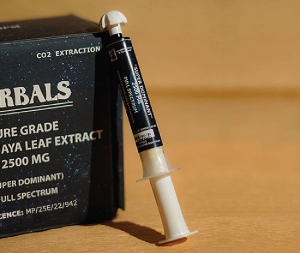
Emergency medication replicas are designed for educational purposes and replicate the appearance and work-flow of real emergency medications. These simulated products help nursing students, physicians, paramedics, and health-care teams participate in realistic drills without using actual medications. By incorporating these training tools into simulation exercises, educators can create more engaging and practical learning experiences.
Understanding the Importance of Realistic Code Blue Training
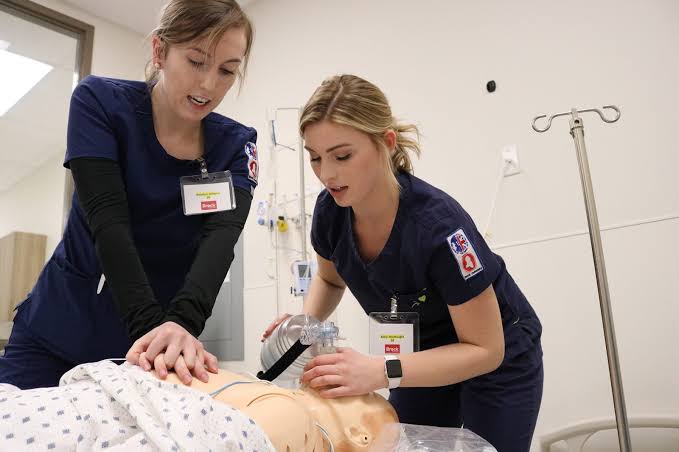
A code blue situation involves a coordinated response from multiple health-care professionals. During these emergencies, every second matters, and team members must understand their roles clearly. Simulation-based training allows health-care providers to practice emergency response procedures repeatedly, helping them improve speed, accuracy, and communication.
Traditional classroom education can teach ACLS protocols and emergency procedures, but realistic simulations provide practical experience. Learners can practice responding to scenarios such as cardiac emergencies, medication administration work-flows, and team-based decision-making.
How Emergency Medication Replicas Improve Simulation Training
Emergency medication replicas make code blue simulations more realistic by introducing the same type of medication handling experience found in clinical environments. These training tools help participants understand the process of identifying, preparing, and communicating emergency medications during a critical event.
Key advantages include:
1. Creating Realistic Emergency Environments:
Emergency medication replicas help simulation labs recreate clinical scenarios more accurately. When learners interact with realistic training supplies, they gain a better understanding of how emergency responses unfold in hospitals and health-care facilities.
2. Improving Medication Familiarity:
Health-care professionals must quickly identify emergency medications during critical situations. Training with medication replicas allows learners to become familiar with medication formats, labels, and handling procedures before encountering real emergencies.
3. Enhancing Team Communication:
Effective communication is essential during code blue events. Simulation exercises using emergency medication replicas encourage teams to practice verbal instructions, role assignments, and coordination between different health-care professionals.
4. Supporting Safe Practice:
Using simulated medications allows learners to practice emergency procedures without the risks associated with real pharmaceuticals. Participants can repeat scenarios, receive feedback, and improve their skills in a controlled environment.
Applications in Health-care Education and Training
Emergency medication replicas are valuable tools for various health-care training programs. Nursing schools, medical colleges, emergency medical service programs, and hospital simulation centers use these products to provide practical education.
Educators can create different types of code blue scenarios based on learner experience levels. Beginner learners can focus on medication identification and basic response steps, while advanced teams can practice complex emergencies involving multiple health-care providers.
Conclusion
Creating realistic code blue simulations with emergency medication replicas is an effective way to enhance health-care education and emergency preparedness. These training tools allow medical professionals to practice essential skills, improve communication, and develop confidence in a safe learning environment. As simulation-based education continues to grow, realistic emergency training solutions will remain an important part of preparing health-care teams for life-saving situations.