



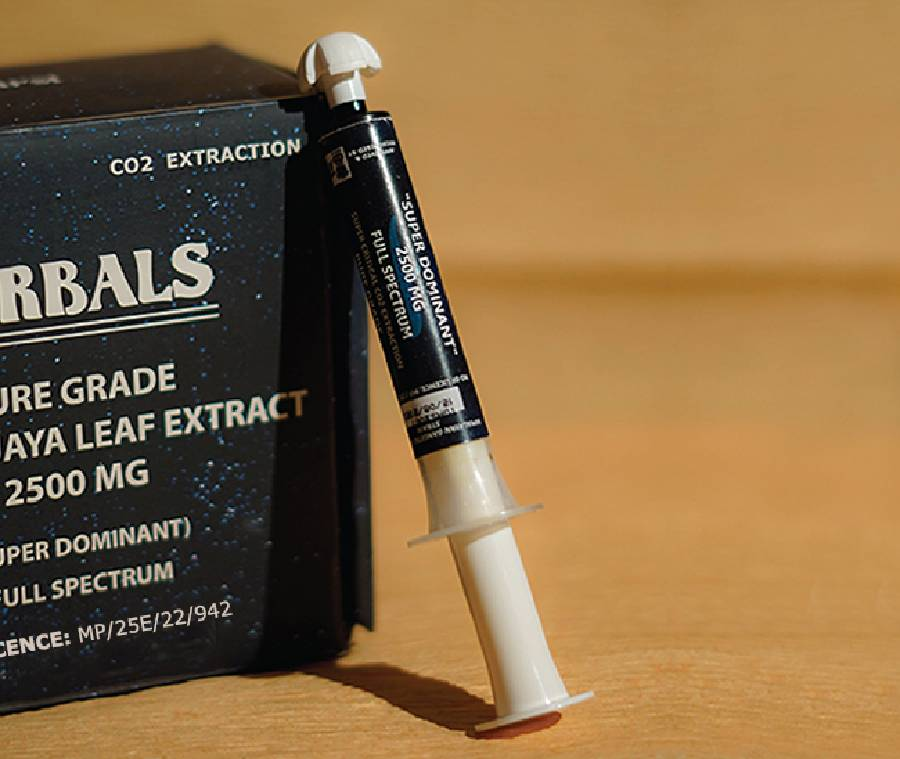
Chronic pain often affects movement, productivity, and daily comfort in subtle but persistent ways. As plant-based wellness options expand, many individuals are exploring THC oil for pain online as part of a structured approach to managing long-term discomfort with more consistent support.
Medical cannabis products are now widely available in different formats, with oils and capsules being the most commonly chosen. Each option works differently in the body, and the right choice often depends on lifestyle, dosage preference, and how quickly results are expected.
Understanding Medical Cannabis for Pain Support
Medical cannabis contains active compounds such as THC and CBD that interact with the body’s endocannabinoid system. This system plays an important role in regulating pain response, inflammation activity, and physical balance.
Instead of focusing only on temporary masking of symptoms, cannabis-based options are often used for ongoing support with controlled intake and predictable outcomes over time.
Cannabis Oils vs Capsules: Key Differences
To better understand how these two forms differ in structure, usage format, and absorption pattern, it is important to look at their characteristics in detail.
1. Cannabis Oils
Cannabis oils are typically taken under the tongue or mixed into food and drinks. They absorb relatively quickly because they enter the bloodstream in a more direct way.
Oils allow flexible dosage adjustment, making them suitable for individuals who prefer control over intake levels. They also integrate easily into daily routines and can be adjusted based on personal requirements.
2. Cannabis Capsules
Capsules come in pre-measured doses and are swallowed like standard supplements. They pass through the digestive system before being absorbed.
This format is often preferred for consistency, simplicity, and ease of use. Each capsule delivers a fixed amount, which makes routine-based intake straightforward and predictable over time.
Oils vs Capsules: Practical Comparison
Oils and capsules are not about superiority but about suitability. Oils generally offer quicker absorption and flexible dosing, making them suitable for users who prefer adjustable intake patterns. Capsules, on the other hand, provide longer-lasting effects due to slower digestion and are ideal for structured daily routines.
Both formats are widely used depending on individual preferences and lifestyle needs.
Role of THC and CBD in Pain Management Approaches
Cannabis-based formulations may contain THC, CBD, or a combination of both. Each compound interacts differently with the body.
THC is known for its stronger psychoactive properties, while CBD is widely used in non-intoxicating wellness formulations. Many people who search for CBD capsules for pain often prefer capsules because they offer consistent dosing and controlled cannabinoid intake in a simple format.
Balanced formulations combining both compounds are also commonly explored for structured cannabinoid support.
Choosing the Right Format for Daily Use
Selecting between oils and capsules depends on a few key considerations. Oils are often preferred when flexibility in dosage is important, while capsules are chosen for consistency and convenience. Oils allow gradual adjustment, whereas capsules provide fixed, predictable intake.
Duration of effect also plays a role. Capsules generally last longer due to slower digestion, while oils are absorbed more quickly. Health experts often suggest choosing based on daily routine and individual response.
Increasing Accessibility of Cannabis-Based Products
Cannabis-based wellness products are becoming more widely available as interest in plant-derived alternatives grows. Oils, capsules, and blended formulations are now commonly explored across different user preferences.
Few brands operate in this evolving space, offering structured cannabinoid formulations developed through controlled extraction methods and standardized production practices. Many users also explore options like buy THC oil for nerve pain online when looking for specific product formats suited to their needs.
Conclusion
Medical cannabis continues to be explored as a structured option for individuals seeking consistent support in managing daily discomfort. Oils provide flexibility in dosage and quicker absorption, while capsules offer fixed dosing and longer duration, making both formats useful in different ways.
As the category continues to develop, brands like Hempstrol contribute by offering standardized cannabinoid products designed for predictable use and quality control. Their range includes multiple formats suited for different preferences, supporting users who explore options like CBD capsules for pain as part of their daily routine.