

In the modern hyper-linked society, digitalization has increased the pace of demand on the strong security framework that transcends the traditional security defense mechanisms. Companies are moving towards the use of integrated infrastructure, which involves high technologies, data administration platforms, and security measures to ensure that confidential information is not lost. With the increasing complexity of cyber threats, companies need to implement proactive measures to make cybersecurity compatible with their digital assets to be resilient and operational.
The rise of cybersecurity Malaysia highlights how nations are strengthening their defenses through innovation, regulatory frameworks, and advanced monitoring systems. By integrating infrastructure with security strategies, organizations can build a cohesive ecosystem that not only protects data but also enhances operational efficiency. This approach enables businesses to stay competitive while maintaining trust in an evolving digital landscape.
Cybersecurity Malaysia: Reinforcement in Digital Defense of the Connected Age
The increased reliance on the digital platform is turning cybersecurity into an important aspect of the infrastructure of the new era. Malaysia firms are striving to develop resilient systems that could support the evolving cyber threats besides promoting digital development.
● Anticipatory Threat Detection and Response
The modern models of cybersecurity are centred around real-time analytics and AI-based tools of threat-detection. Such systems will identify the vulnerabilities before they are exploited and the organization will then be able to respond in due time. It is possible to prevent breaches of businesses through predictive intelligence on mitigating the infrastructure attack, responding to the attack once it occurs, which is a good strategy in preventing disruption of operations and minimizing financial losses.
● Regulatory Compliance and Governance
Well-built governance structures are needed to ensure the safety of the digital. Malaysia has enacted rules and regulations that would direct organizations in the process of safeguarding sensitive information. These laws will hold the organizations responsible, encourage the best practices in all sectors, and enable companies to harmonize their security plans with national and global practices and earn the confidence of the stakeholders.
● Developments in Cloud Security
Cloud environment security is now an issue with the increasing uptake of cloud computing. The high-level encryption, identity control, and access control are indispensable elements of the current cybersecurity plans. These are the measures that make sure that the information kept and handled in cloud environments is not exposed to unauthorized access and cyberattacks.
● Staffing Awareness and Education
A human factor is one of the major causes of security breaches. Companies are also investing in training programs in order to make employees aware of cybersecurity risks and best practices. A knowledgeable workforce is the initial line of defense, minimizing the weaknesses and improving the general state of security in an organization.
Combining Infrastructure and Security Resilience Plans
An effective digital ecosystem demands a close collaboration between the infrastructure strategy and security strategy. This strategy promotes the fact that security is integrated into all levels of technology and not an afterthought.
● Secure Network Architecture
Provision of secure network architecture is core in defending the digital assets. This involves the use of firewalls, intrusion detection systems, and secure communication protocols. An effective network design reduces the risk areas and gives a solid base to the sophisticated security controls.
● Encryption and Protection of Data
Encryption is important in the protection of sensitive information. Data encryption during transmission and at rest prevents access by unauthorized persons. The use of advanced encryption methods makes the transfer of data unreadable even in the case of interception by malicious actors.
● Access Control and Identity Management
Access control to systems and data is critical to system security. Identity and access management systems are used to make sure that the resources can be accessed by the authorized users. Two-step authentication and roles further enhance security.
● Infrastructure Solutions to Scale
With the expansion of businesses, the infrastructure should be extended to handle the rising needs. Scalable solutions enable organisations to increase their systems without affecting security. This scalability will make sure that security does not deteriorate when the operations are increased.
Economic and Strategic Effects of Secure Digital Ecosystems
Combining security and infrastructure is an approach that not only protects data but also leads to the growth and innovation of the business. Companies that are more concerned with digital safety have a competitive edge in the business.
● Greater Business Confidence
Effective security efforts instill customer, partner, and stakeholder trust. Such trust will foster teamwork and help to build long-term business relationships, which will help ensure sustainable growth.
● Prevention Cost Effectiveness
An investment in cybersecurity minimizes the possibility of expensive breaches and disruptions of operations. Security is worth the investment because it is less expensive than the consequences of a cyber attack.
● Digital Transformation Support
Secure infrastructure allows organizations to utilize new technologies in the form of AI, IoT, and cloud computing. This assistance promotes digital change and improves the effectiveness of work.
Data Centre Malaysia: Powering the Future Secure Digital Infrastructure
The rise of data centre Malaysia is an indication of how serious the country is in developing a robust digital backbone that is capable of sustaining cybersecurity and technology. Data centres are very instrumental in the provision of safe data storage, processing, and management.
● High-Performance Infrastructure
In contemporary data centres, there are sophisticated technologies that are in place, making them perform and be reliable. These services are used to process large volumes of data and also allow organizations to effectively handle complicated workloads while keeping security standards.
● Efficiency and Sustainability of Energy
One of the concerns of data centres in Malaysia is sustainability. They are building energy-efficient systems and renewable energy resources to minimize the environmental impact and still be efficient in terms of operations.
● Support of Cloud and AI Technologies
The infrastructure required in cloud computing and artificial intelligence is offered in data centres. Such support allows organizations to harness the best technologies, and their operations are secure.
Conclusion
Cybersecurity and infrastructure should be integrated to create robust digital ecosystems that will be resilient to new threats. By harmonizing progressive technology with strategic security actions, organizations can secure their possessions, become more efficient, and promote growth in a highly dynamic digital environment.
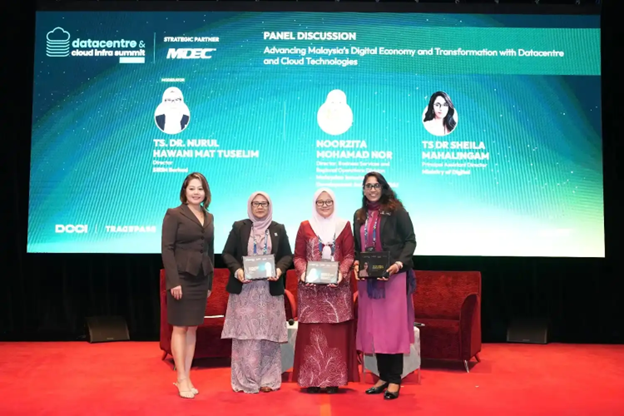
DCCI 2026 – Malaysia stands as a premier platform connecting industry leaders, innovators, and decision-makers in the digital infrastructure and cybersecurity space. This event highlights Malaysia’s growing role as a regional hub for secure data centres and cloud technologies, offering valuable insights, networking opportunities, and access to cutting-edge solutions shaping the future of digital safety.