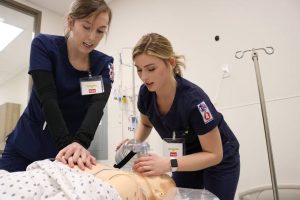



What makes international clinical exposure valuable for aspiring healthcare professionals? Medical Internships Abroad provide an opportunity to combine practical learning, professional development, and cultural exposure in a real-world healthcare environment. By observing clinical practices, interacting with healthcare teams, and understanding different approaches to patient care, students can build meaningful experience while developing greater confidence in their future careers.
In This Article
- How Can International Experience Strengthen Healthcare Skills?
- What Professional Benefits Can Students Gain?
- Why Is Cross-Cultural Healthcare Exposure Important?
- Which Skills Can Be Measured Through Internship Growth?
- Can an Internship Help With Future Career Preparation?
- How Does International Exposure Encourage Personal Growth?
- What Should Students Look For In A Quality Internship?
- Conclusion
How Can International Experience Strengthen Healthcare Skills?
Practical exposure can transform theoretical knowledge into useful professional skills. During an international internship, students may observe patient consultations, healthcare procedures, hospital workflows, and community health initiatives. These experiences can improve communication, observation, teamwork, and professional awareness. The result is a stronger understanding of how healthcare knowledge is applied beyond academic settings.
What Professional Benefits Can Students Gain?
One of the strongest advantages is the opportunity to develop workplace-ready qualities. Interns can become more comfortable communicating with medical professionals, working within structured teams, and adapting to new clinical environments. These experiences can also encourage independence and responsibility. Over time, each new responsibility can contribute to a more confident and capable healthcare professional.
Why Is Cross-Cultural Healthcare Exposure Important?
Healthcare is shaped by communities, cultures, resources, and patient expectations. International placements allow students to experience these differences directly. Learning how professionals communicate with patients from varied backgrounds can strengthen cultural awareness and empathy. These qualities are increasingly valuable for healthcare professionals who aim to provide respectful and patient-focused care.
Which Skills Can Be Measured Through Internship Growth?
Several development indicators can help students understand their progress. These may include improved communication, stronger teamwork, better professional confidence, greater clinical awareness, and increased familiarity with healthcare environments. Keeping a personal learning record throughout the placement can make these improvements easier to recognize and discuss during future academic or professional opportunities.
Can an Internship Help With Future Career Preparation?
Yes. Practical experience can give students a clearer understanding of their preferred healthcare interests. Exposure to different departments, specialties, or community settings may help them identify areas they would like to explore further. It can also make future interviews and applications more meaningful because students can discuss real experiences, responsibilities, observations, and lessons learned.
How Does International Exposure Encourage Personal Growth?
Living and learning in a new environment can strengthen adaptability and confidence. Students often have opportunities to manage unfamiliar situations, communicate with new people, and become more independent in their daily routines. These experiences can complement clinical learning by developing qualities such as flexibility, initiative, professionalism, and cultural awareness.
What Should Students Look For In A Quality Internship?
A valuable placement should offer structured learning, meaningful observation opportunities, professional supervision, and clear educational objectives. Students can also consider the healthcare setting, duration, learning activities, and opportunities for interaction with experienced professionals. Choosing an internship that matches personal academic goals can make the experience more focused and rewarding.
Conclusion
International healthcare internships can bring together practical learning, professional development, cultural understanding, and personal confidence. With meaningful exposure to healthcare environments and measurable skill development, students can gain valuable insights that support their academic journey and future career ambitions. A well-planned international internship can become a positive step toward becoming a knowledgeable, adaptable, and globally aware healthcare professional.
What You Need to Know
- Medical internships abroad provide practical learning, professional development, and cultural exposure in real-world healthcare environments.
- Students participating in international internships can improve key skills such as communication, observation, teamwork, and professional awareness.
- Cross-cultural healthcare exposure helps strengthen cultural awareness and empathy, which are increasingly valuable for patient-focused care.
- Keeping a personal learning record during internships can help students recognize and discuss their skill improvements and progress.
- International internships can clarify students’ healthcare interests by exposing them to various departments and specialties.
- A quality internship should include structured learning, meaningful observation opportunities, professional supervision, and clear educational objectives.