




Introduction
As artificial intelligence, machine learning, and high-performance computing continue to evolve, enterprises are increasingly relying on GPU powered infrastructure to support demanding workloads. However, building and maintaining GPU infrastructure internally can be expensive and technically challenging.
Managed GPU clusters offer a smarter alternative by providing optimized and professionally maintained GPU environments for enterprise teams. These solutions allow organizations to focus on innovation rather than infrastructure management.
What Are Managed GPU Clusters?
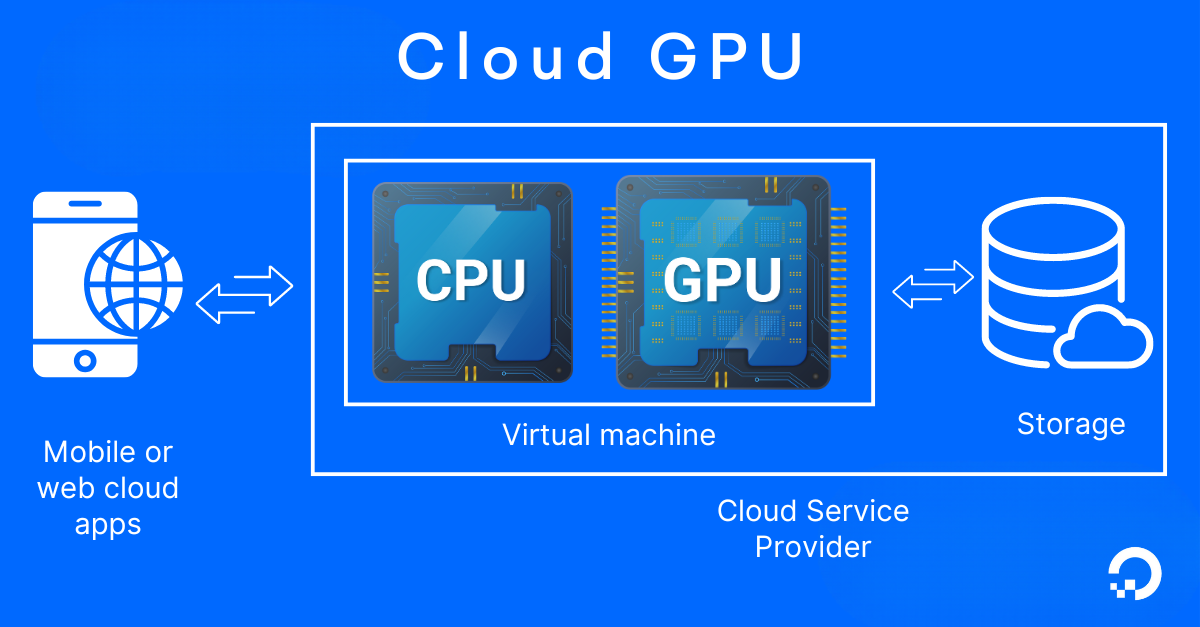
Managed GPU clusters are cloud-based or hosted GPU infrastructures that are configured, monitored, and maintained by specialized providers. These clusters combine multiple GPU into a centralized environment capable of handling large-scale AI, deep learning, rendering, and data processing workloads.
Instead of purchasing hardware and managing networking, storage, cooling, and orchestration internally, enterprises can access ready-to-use GPU resources on demand.
1. Faster Deployment and Reduced Setup Time
One of the biggest advantages of managed GPU clusters is rapid deployment.
Traditional GPU environments often require weeks or months of setup, including:
- Hardware procurement
- Network configuration
- Driver installation
- Cluster orchestration
- Performance optimization
- Security implementation
Managed GPU providers handle these tasks in advance, allowing enterprise teams to start projects quickly.
Benefits Include:
- Faster AI model development
- Reduced infrastructure delays
- Quicker time-to-market
This speed is especially valuable for businesses working on time-sensitive AI initiatives.
2. Improved efficiency for Growing Workloads
AI workloads can change rapidly depending on project requirements. Managed GPU clusters provide flexibility that supports both small experiments and enterprise-scale deployments.
Enterprises Can:
- Scale GPU resources up or down instantly
- Support multiple AI teams simultaneously
- Handle large model training efficiently
- Expand capacity without purchasing hardware
3. Cost Efficiency and Better Resource Utilization
Purchasing enterprise-grade GPU hardware requires significant capital investment. Beyond the hardware itself, organizations must also manage:
- Power consumption
- Cooling systems
- Maintenance costs
- Infrastructure upgrades
- Dedicated IT staffing
Managed GPU clusters reduce these expenses by offering usage-based pricing models.
Cost Advantages Include:
- Lower upfront investment
- Predictable monthly expenses
- Reduced operational overhead
- Better GPU utilization rates
- No hardware replacement concerns
This approach helps enterprises control budgets more effectively while accessing high-performance computing resources.
4. Access to Advanced GPU Technologies
GPU technology evolves quickly, and staying current can be difficult for internal IT teams. Managed providers continuously upgrade infrastructure with the latest accelerators and networking technologies.
Enterprise Teams Gain Access To:
- Advanced networking fabrics
- Optimized storage systems
- AI-ready orchestration platforms
- Modern containerized environments
This ensures businesses always have access to cutting-edge computing capabilities without lengthy upgrade cycles.
5. Enhanced Performance and Reliability
Large AI workloads require stable, high-speed communication. Managed GPU clusters are designed specifically for performance-intensive applications.
Performance Benefits Include:
- Faster AI model training
- Reduced latency
- Improved workload balancing
- High-speed GPU communication
- Better distributed computing performance
Most providers also offer continuous monitoring and automated optimization to maintain consistent system performance.
Conclusion
Managed GPU clusters have become an essential solution for enterprise teams working with AI, machine learning, and large-scale computing workloads. They provide faster deployment, cost efficiency, and reliable performance without the complexity of managing hardware internally.
By adopting managed GPU environments, enterprises can accelerate innovation, improve operational efficiency, and stay competitive in an increasingly AI-driven business landscape.