



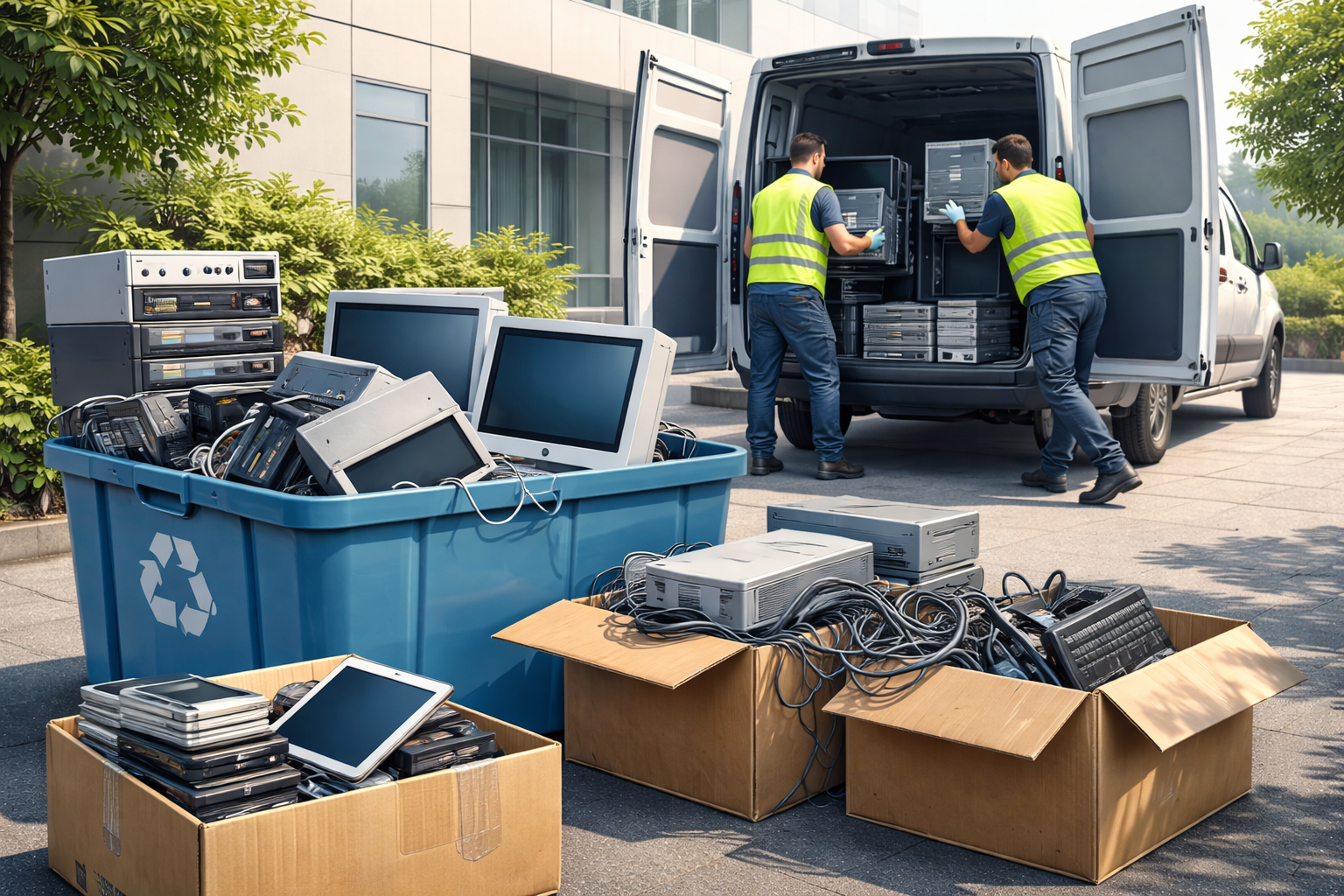
Managing outdated technology has evolved into a strategic responsibility rather than a routine operational task. Organizations today handle large volumes of devices that store sensitive data and contain complex materials, making disposal a process that demands precision and accountability. In this context, IT equipment recycling becomes essential for businesses aiming to maintain both security and environmental responsibility.
As digital infrastructure expands, so does the challenge of handling obsolete hardware in a compliant and efficient manner. Companies that adopt structured disposal frameworks reduce risk exposure, maintain regulatory alignment, and ensure that retired assets are processed through certified channels rather than informal or unsafe methods.
Understanding the Lifecycle of IT Assets
Every IT asset progresses through a defined lifecycle, beginning with deployment and ending with retirement. Over time, performance limitations, security vulnerabilities, and technological upgrades push organizations to replace older equipment. Without a clear exit strategy, these assets accumulate and create operational inefficiencies.
A disciplined lifecycle approach ensures that devices are tracked from procurement to disposal. Proper inventory audits, asset classification, and condition assessments allow organizations to decide whether equipment should be reused, refurbished, or dismantled in a controlled and secure environment.
What Defines a Reliable IT Equipment Recycling Process
A dependable recycling process is not limited to discarding old devices. It is a structured workflow that integrates data protection, environmental responsibility, and compliance documentation. Each stage must be executed with precision to ensure that no risk remains unaddressed.
Typically, the process begins with secure collection, followed by detailed sorting of assets based on type and condition. Data destruction is carried out using certified methods, after which materials are separated into recoverable categories such as metals, plastics, and electronic components. The final stage includes issuing certificates that validate secure disposal and regulatory compliance.
Data Sanitization as a Core Requirement
Effective data sanitization ensures that no recoverable information remains on storage devices. Certified techniques such as data wiping and physical destruction eliminate the risk of data breaches during the disposal phase.
Organizations benefit from documented proof of destruction, which serves as evidence during audits. This layer of verification strengthens internal governance while safeguarding confidential information across all retired assets.
Asset Tracking and Documentation
Maintaining visibility throughout the recycling process is critical for accountability. Each asset must be logged, tracked, and documented from pickup to final processing.
Detailed reporting, including serial number tracking and destruction certificates, provides transparency. This ensures that businesses can confidently demonstrate compliance with both internal policies and external regulatory requirements.
Environmental Responsibility in E-Waste Management
Electronic waste contains hazardous elements that require careful handling. Improper disposal can lead to environmental contamination, affecting soil quality and water systems over time. Responsible recycling mitigates these risks through controlled processing methods.
Material recovery plays a significant role in sustainability. Valuable components such as copper, aluminum, and certain plastics are extracted and reintroduced into manufacturing cycles. This reduces reliance on raw material extraction and supports a more circular economy within the technology sector.
Material Segregation and Recovery
Efficient recycling depends on accurate segregation of components. Devices are dismantled to separate reusable materials from non-recoverable waste.
This process ensures that maximum value is extracted from each asset while minimizing landfill contribution. It also aligns with global sustainability practices adopted by environmentally conscious organizations.
The Role of Professional IT Asset Disposal Services
Managing IT disposal internally often leads to gaps in compliance and inefficiencies in execution. Professional service providers offer structured solutions that address every stage of the process with expertise and certified practices.
These services include secure logistics, on-site collection, data destruction, dismantling, and environmentally responsible recycling. Providers also handle specialized requirements such as data center decommissioning and bulk asset removal, ensuring minimal disruption to business operations.
Logistics and On-Site Collection
Efficient logistics ensure that assets are transported securely from the client’s location to processing facilities. On-site collection services allow businesses to dispose of equipment without interrupting daily operations.
Secure handling during transit reduces the risk of loss or data exposure. This stage is critical in maintaining the integrity of the entire recycling process.
Compliance and Certified Standards
Adherence to recognized standards defines the credibility of a recycling provider. Certified facilities operate under strict guidelines that ensure both environmental safety and data protection.
Documentation such as certificates of recycling and destruction provides assurance that all processes meet regulatory requirements. This becomes particularly important for organizations subject to audits and compliance checks.
Choosing the Right Recycling Partner
Selecting the right partner involves evaluating experience, certifications, and operational capabilities. A reliable provider should offer end-to-end solutions supported by transparent processes and verifiable documentation.
Organizations must also consider whether the provider can handle diverse asset categories, including servers, laptops, storage devices, and networking equipment. The ability to manage large-scale disposal projects, including warehouse clearance and infrastructure decommissioning, reflects operational strength and industry expertise.
Final Thoughts
When IT disposal shifts from a routine task to a matter of risk management and sustainability, the choice of partner becomes critical, and Planet Green Recycling (L.L.C) emerges as a dependable solution provider in this space. With an ISO-certified facility and approvals from local authorities, the company delivers structured services that cover secure data destruction, IT asset disposal, and responsible e-waste recycling.
Positioned among leading IT equipment recycling companies in Dubai, Planet Green Recycling (L.L.C) offers end-to-end solutions that include data center decommissioning, asset tracking, and certified disposal processes. Their approach ensures that organizations not only protect sensitive information but also contribute to environmentally responsible practices through a transparent and compliant recycling framework.