
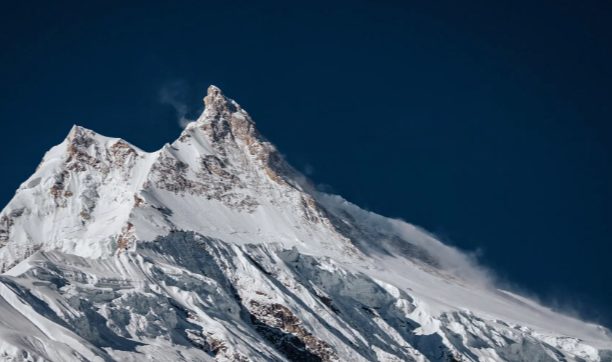
Education is required for the trek to Everest Base Camp because without such expertise, you’ll not recognize how difficult the complete trek is compared to high-altitude hiking. One difficult challenge is long day walks, steep uphills, rocky trails, and changeable weather on the EBC Trek.
The trekkers are awake for at least eight hours during the day, often walking with their heavy bags in altitudes with only a fraction of the atmosphere full of oxygen. A good training program is likely to improve your vigor and strength, building confidence before you summit Everest [Image below of leaf life]. It enables you to relish trekking moments in Nepal and battle the alpine environment with relative ease.
Starting Your Fitness Training Early
Allowing yourself a few months to gear up for your Everest Base Camp Trek means that you can gain strength gradually. However, a sudden change in exercise can result in damage and fatigue, which is why habit is the answer! Start with a normal walk, jog, bike, or hill climb for capacity-building. Boost the effort and time of running out to get your body equipped for lengthy days of hiking! All through the EBC trek, you want a constant flow of energy, and that is the perfect chance to put together body fitness for one of Nepal’s pinnacle trekking routes.
Cardiovascular patients’ excessive Altitude
Adventure: Cardiovascular training is amongst the most essential preparations for the Everest Base Camp trek. Advanced cardiovascular fitness means the body can utilize oxygen more efficiently, which is beneficial for trekking at altitude.
The Everest region particularly has a steady upward and downward movement. Good accuracy and staying power mean that you may save yourself from getting exhausted for the duration of your stroll on the eve of the day. Not only does cardio enhance your weekly quota, but it also improves your endurance and gives you reliability for what you will confront while trekking in Nepal at altitude; this is especially true if you can go as often during the week that precedes your EBC Trek training to get a few long trips in.
Hiking Ability and Building Leg Strength
Highly trained legs are essential to accomplish the Everest Base Camp Trek. It consists of steep climbs, bumpy trails, and downhill elements requiring strong muscles and balance. Squats, lunges, step-ups, and hikes with a loaded backpack will strengthen the lower body. A bit of hill or stair practice prepares you for the kind of conditions you’re going to see on the trail during the EBC trek. You will also find that stronger legs and better trekking output all around mean less of a strain on knees & joints. If you are a beginner at trekking and want to visit the Everest region, then acclimatization before coming helps you have an easiergoing experience in this beautiful region.
Train with weights before going trekking.
Practice with a backpack. The third major part of preparing for the Everest Base Camp Trek is practicing to trek with your backpack. In reality, the trek only requires personal equipment like clothes, a water bottle, some snacks, or movement. The backpack gets your shoulders, back, and legs used to their ample share of extra weight. Choose lightweight items you can move, low impact at first, and slowly build it up as your body adjusts to the movement. This exercise will help you get familiar with your gear, like your backpack and footwear, before this trek. In this study, backpack training had a much more specific and realistic effect on your body for long days out on the trails in the Himalayas.
Practicing Long-Distance Hiking Sessions
Hiking preparation with training and practice is the best way before you travel to the Everest Base Camp Trek. Distance hiking trains the physical body for miles to come, and it prepares the mind for as far as you want to go. So be sure you pat these types of issues out by doing some peak changes mixed with the weekend hikes and ideally as a technique to iron these sorts of issues out earlier than your assignment on the EBC trek. You can experience some bumpy rides and cliffs, which will help you improve your balance and stability. Training will hone your boots/clothing/equipment and expose any weaknesses. How much more prepared will you be when it comes to your arrival, right out of the gate on day 1 of your trek in Nepal? The sooner you get out there!
Preparing for Altitude Challenges
Altitude Training: Get Your Body Ready? The Everest Base Camp Trek will take you above 5,000 meters. Fitness will not make you AMS-free, but fitness will allow your body to acclimatize quicker, and this is because the functional capacity of a fit person satisfies the oxidative demands of an altitude environment. Above all, it comes down to slow and steady going on your trek there, following the basic speed for acclimatization of hydrating adequately and rehydrating as often as possible during your trek. Therefore, this gradual training system, along with every one of the piling-improved habits, will definitely result in an important change in your operation inside EveBase Camp Spot. Educating yourself about altitude-related issues […up to date in October .2023]. Your EBC trek will enable you to make the best choices during your trek.
Maintaining Proper Nutrition and Recovery
Our Everest Base Camp Trek training plan should consist of nutrition and recovery. Your body needs enough energy to get stronger and stay fueled during your training. Mild & moderate muscle and joint soreness; rest, heat, and ice—this is its first aid.
Encouragement for well-balanced meals of healthy carbs (which include vegetables and fruits) & protein with adequate fluid guidance. Which I imagine is why rest days are so important too—muscles need to repair and regenerate stronger. But do not over-practice at home; you could get tendon injuries from too much practicing in your living room before you get to Nepal. As a result, consuming adequate carbohydrates (sugar and energy) on the EBC trek is important. But recovery also allows your body to manage the physical turmoil of an EBC expedition.
Trekking challenges
And a big part of that is mental preparation; this will be your greatest ally on the road to completing your trek to Everest Base Camp. Unpredictable weather, long hours of walking, little lodging, and moments of pain. A good part of it is actually patience, perseverance, and mind over matter in getting through those nasty sections on the trail.
Physically Train Your Mind Before Going on a Trek? But techniques you can use before a hike, such as visualization (to also be in the moment), setting hourly goals while trekking, and thinking through past lessons about hiking, can strengthen your mental endurance before a hike. The EBCTrekk is a journey, and perhaps your own adventure is a way of life. And with a sound mind, Treykkers experience the natural beauty, landscapes, culture, and amazing moments of the Everest region.
Everest Base Camp Trek Guide: Final Conclusion
Before you go on a trek to the base camp of Everest, test your Tute training. That kind of hiking is obligatory for your fitness, and it includes how to ready yourself for it, what stuff to bring, and the townsmen’s project and traveling. Be in a routine with your habits, but do not strain yourself too hard a day before traveling; the body has to heal.
More preparation before going to Nepal: hiking boots, backpacking gear, layering wear, and other essentials. With so many of the undesired obstacles that come with doing the EBC Trek taken away, you are assured proper training. The ruggedness of this trek through the Himalayas and the offer of physical fitness with mental stamina are also within reach with proper training to meet one of Earth’s most popular landmarks at Everest Base Camp.
